
Understanding The Peak Intensity Of Alcohol Withdrawal Symptoms And Risks

“It gives the body time to show people how it feels without alcohol. For many, that insight alone changes their relationship with drinking,” she said. “The biggest surprise isn’t what people give up, it’s how much better they feel.” The first week after your last drink, the body begins to detoxify and reset, according to Hyman.
Can I prevent alcohol withdrawal?
The CIWA-Ar is particularly useful in inpatient settings, where frequent monitoring (every 4–6 hours) is feasible. Persuasively, routine assessment in these settings is not just a clinical necessity but a moral imperative, as untreated alcohol withdrawal carries a mortality rate of up to 15% in severe cases. Hospitals and detox facilities are uniquely positioned to intervene early, leveraging resources like laboratory testing (e.g., elevated liver enzymes or electrolyte imbalances) and 24/7 monitoring. Emergency departments, in particular, must adopt a low threshold for assessment, as patients often underreport alcohol use due to stigma or lack of awareness. By integrating withdrawal screening into standard protocols, these facilities can prevent complications and reduce the burden on intensive care units. Medical comorbidities, particularly liver disease, cardiovascular conditions, and malnutrition, exacerbate the risks of alcohol withdrawal.
Staging an intervention
Early symptoms appear within 6 to 24 hours after the last drink and include anxiety, tremors, sweating, nausea, and headaches. Severe symptoms, occurring within 48 to 72 hours, can include Delirium Tremens (DTs), seizures, increased heart rate, and high blood pressure, which require immediate medical attention. Top facilities in the area offer comprehensive care, combining medical supervision with therapeutic support. These rehabs focus on creating a safe environment where individuals can detox and begin their recovery process.
Early Warning Signs to Watch For
This stark contrast highlights the critical role of duration and quantity in determining withdrawal severity. When an alcoholic experiences bleeding from the anus, it is a concerning symptom that often indicates underlying health issues exacerbated by chronic alcohol consumption. Alcohol abuse can lead to severe gastrointestinal problems, such as inflammation of the stomach lining (gastritis), liver disease (cirrhosis), or damage to the esophagus and intestines. These conditions may cause internal bleeding, which can manifest as rectal bleeding. Additionally, alcohol-induced malnutrition, particularly vitamin K deficiency, can impair blood clotting, worsening bleeding tendencies. Other potential causes include hemorrhoids, anal fissures, or more serious conditions like colorectal cancer, which may be aggravated can drinking alcohol cause high blood pressure by alcohol’s carcinogenic effects.
Call for Addiction Treatment Options
Staff monitor heart rate, blood pressure, and mental clarity throughout the day. For example, an alcoholic presenting with rectal bleeding might first undergo blood tests to assess anemia and liver function. If results indicate liver disease, EGD could follow to check for varices, while colonoscopy would investigate lower GI sources like diverticula or malignancies. Each tool has its strengths and limitations, but together they form a robust diagnostic framework. Early and accurate diagnosis not only alleviates symptoms but also addresses underlying conditions, reducing the risk of recurrent bleeding and improving long-term outcomes.
These drugs are not all in the same category, but they share some similar effects and dangers, including long-term harmful effects. Substituted cathinones can be eaten, snorted, inhaled or injected and are highly addictive. These drugs can cause severe intoxication, which results in dangerous health effects or even death. Week three is marked by further decreases in inflammation, fatty liver and blood pressure.
- Every person’s recovery journey is different, so we design custom treatment plans that work best for you and your goals.
- Our alcohol detox program in Pike County combines proven medical practices with compassionate care to give you the strong foundation needed for long-term recovery success.
- Our experienced team offers medical supervision and compassionate care during the detox process.
- Ultimately, the CIWA-Ar and SOWS are indispensable for standardizing alcohol withdrawal assessment, ensuring no symptom goes unnoticed.
Alcohol withdrawal is a complex and potentially life-threatening condition that occurs when individuals abruptly reduce or stop alcohol consumption after prolonged and heavy use. The severity of symptoms can range from mild anxiety and tremors to severe complications such as seizures and delirium tremens (DTs). Managing alcohol withdrawal effectively requires a comprehensive approach, including medical supervision, medication-assisted treatment, and supportive care. Additionally, a supportive environment, proper nutrition, and hydration play crucial roles in aiding recovery. The most severe symptoms of alcohol withdrawal, including delirium tremens (DTs), typically occur within 48 to 72 hours after the last drink, though they can sometimes manifest up to 10 days later. DTs are characterized by confusion, rapid heartbeat, high blood pressure, fever, and hallucinations, and require immediate medical Alcohol Use Disorder attention.
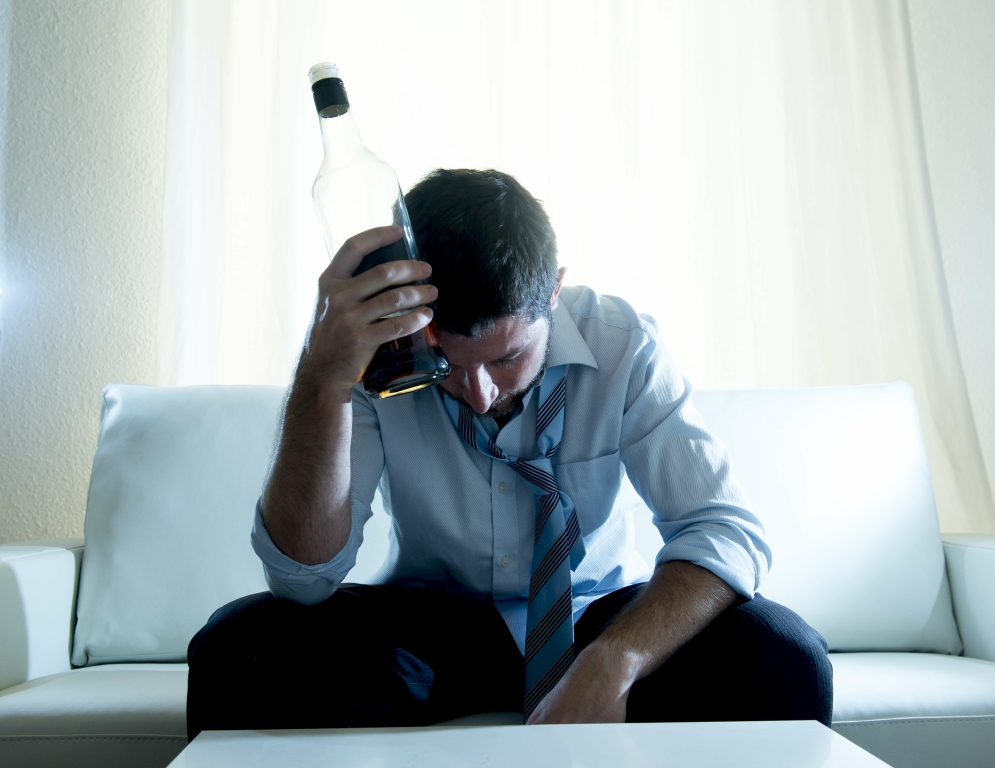
Can Wellbutrin Withdrawal Lead to Nausea After Alcohol Detox Recovery?
Our online platform provides easy access to helpful information, support groups, and professional connections whenever you need them most. Alcohol Awareness connects you with experienced professionals who understand alcohol detox and recovery. Our network includes qualified specialists who have helped thousands of people successfully complete detox and start their path to lasting sobriety. Alcohol Awareness creates personalized alcohol detox programs that https://ecosoberhouse.com/ fit your specific needs and situation. Every person’s recovery journey is different, so we design custom treatment plans that work best for you and your goals.
